























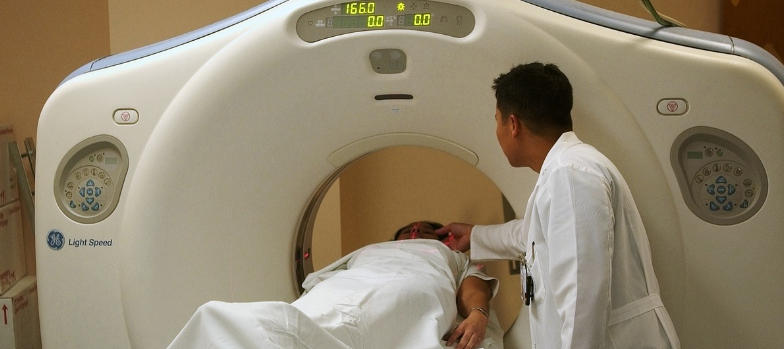
Mayo Clinic researchers are leveraging artificial intelligence (AI) to enhance the early diagnosis of dementia by analyzing electroencephalogram (EEG) tests.
By combining AI with EEG data, the team identified specific brain wave patterns associated with Alzheimer’s and Lewy body diseases, which were previously undetectable through traditional analysis.
This innovative approach not only reduced the time needed to interpret EEG results by 50% but also increased diagnostic accuracy.
Did you know #Alzheimers disease was the 5th leading cause of death in 2021? Early, accurate diagnosis is critical to access FDA-approved therapies. Our testing provides answers to set patients on the right path.https://t.co/9jo9pNs5Md
— Mayo Clinic Labs (@mayocliniclabs) July 31, 2024
“However, it takes a lot of specialized analysis, expertise and manual labor to extract that information, so Alzheimer’s and dementia are not routinely assessed on EEG,” behavioral neurology specialist Dr. David Jones said.
“This tells us that there is a lot of unused information in clinically acquired EEGs that we can extract automatically — and now we can begin to build better tools, algorithms and methods,” Jones said.
The researchers aim to integrate this AI-driven analysis into a comprehensive model of brain health that includes brain scans, blood work, and cognitive tests.
While the technology shows promise for early detection and cost-effective screening, experts caution about the importance of maintaining clinical judgment and addressing potential challenges in integrating AI into healthcare practices.
The research is “a significant leap forward,” emergency medicine physician Harvey Castro said.
“This technology can rapidly and precisely analyze brain wave patterns, identifying early signs of dementia often invisible to the human eye,” he said.
“There is a lot of unused information in clinically acquired EEGs that we can extract automatically.”
“However, AI technology allows for fast processing of large amounts of data, facilitating quicker, more informed decisions about a patient’s cognitive health,” he said.
“As a result, I can see this becoming a new tool for me to use in the ER.”
“So if you’re coming in and having an EEG for epilepsy or a sleep study, we’ll also simultaneously be able to tell you something about your cognitive health, and whether we see something that means you might need to see a behavioral neurologist,” Jones said.
“While AI can provide valuable insights, the clinician’s expertise and empathy remain irreplaceable,” Castro said.
“These include the need for substantial training for health care professionals to use these tools effectively and the potential for over-reliance on AI at the expense of clinical judgment,” he said.
“While AI can provide valuable insights, the clinician’s expertise and empathy remain irreplaceable in delivering holistic patient care.”